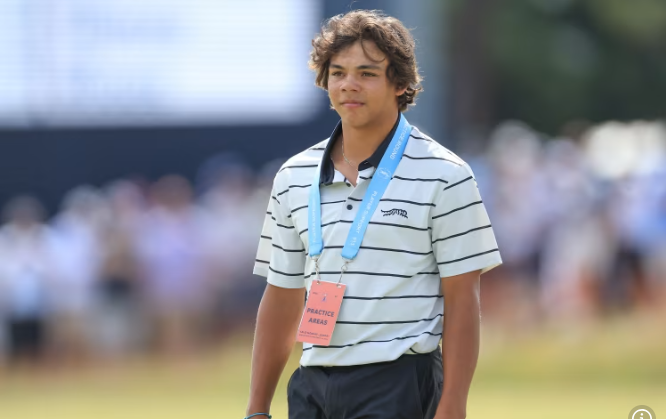
At Just 18, charlie woods’ $5m Rejection leaves major brands stunned while the golf world expected an instant yes
At just 18 years old, Charlie Woods has made a decision that reverberated across the golf world and the global sports industry. While many expected an immediate acceptance, the son of golf legend Tiger Woods reportedly turned down a massive $5 million endorsement deal, leaving major brands stunned and sparking widespread debate about his future.
In today’s sports landscape, elite young prospects rarely pass on major sponsorship opportunities. Endorsement deals are often seen as unavoidable milestones—especially for athletes with elite potential and instant name recognition. In Charlie Woods’ case, the assumption felt even stronger. His famous last name, steady progress as a competitive golfer, rising confidence on the course, and growing media spotlight all pointed toward an easy “yes” to a multimillion-dollar offer.
Instead, the rejection caught industry insiders off guard. Brand executives who anticipated a quick agreement were forced to rethink their assumptions—not only about Charlie Woods, but about how the next generation of golf stars may approach fame, money, and long-term career planning.
READ MORE : The Weight of a Legend: Charlie Woods Comes Up Short as
This decision was about far more than finances. For most 18-year-olds, a $5 million deal would be life-changing. But those close to the situation indicate that Charlie’s choice reflects a broader strategy centered on timing, independence, and long-term vision rather than short-term gain.
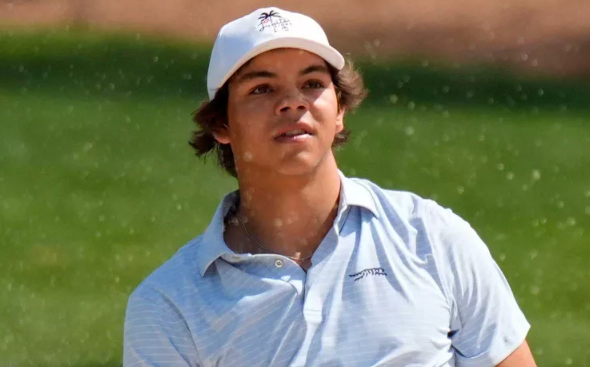
Sources suggest that Charlie Woods and his inner circle are determined to prioritize development over branding. Accepting a major endorsement at this stage could bring heightened expectations, strict obligations, and intense scrutiny—pressures that might shape his public identity before his golf game fully defines who he is as a player.
In a sport where image can sometimes overshadow performance, such restraint stands out. It underscores a commitment to growth, patience, and authenticity that is increasingly rare at such a young age.
Carrying the Woods name comes with unique challenges. Every swing Charlie takes is measured against the standard set by one of the greatest golfers of all time. Each tournament appearance draws attention, every success is amplified, and every setback closely examined.
RELATED NEWS : Fresh blow for Tiger Woods’ legacy as his 27-year-old golf record
By turning down the deal, Charlie Woods sent a clear message: he wants his talent and results to speak first, not his surname or marketability. That philosophy closely mirrors how Tiger Woods managed his own rise—building dominance, focus, and legacy before fully embracing the commercial side of superstardom.
From a business perspective, the move was almost unheard of. Major brands reportedly viewed Charlie Woods as a long-term investment and a potential face of the sport for years to come. Many believed the power of the Woods legacy would make any deal irresistible.
Instead, sponsors were confronted with a new reality: Charlie Woods is choosing his own timeline.
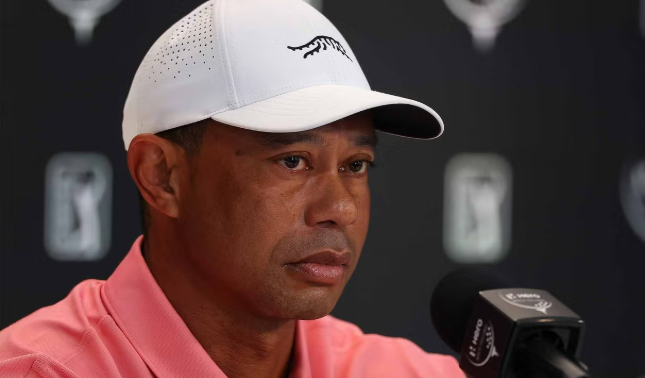
The ripple effects are already being felt across the sports marketing world, prompting discussions about athlete autonomy, patience, and whether the culture of young stars cashing in at the first opportunity is beginning to shift.
Charlie Woods’ decision may ultimately extend far beyond golf. In an era where teenagers sign endorsement deals before finishing school, his rejection represents a counter-narrative—one that values development over dollars and control over convenience.
More importantly, it signals a growing trend among elite prospects: owning the story early, deciding when and how to monetize success, and refusing to let commercial pressure dictate personal growth.
