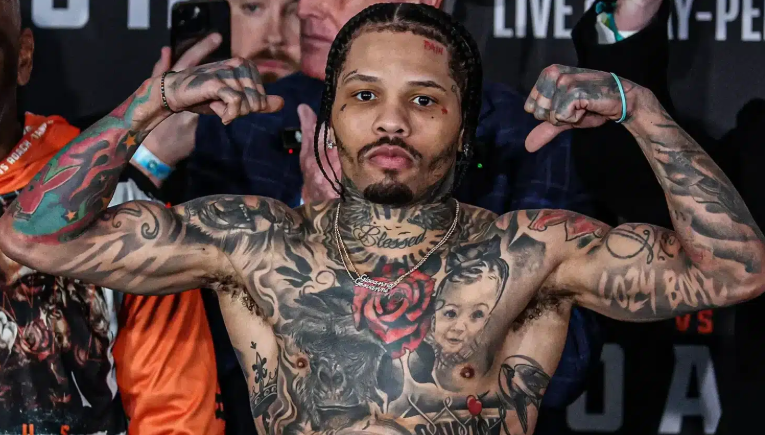
I’m Not Just a Puncher: Gervonta Davis Wants to Be Known for More Than His Knockouts
Gervonta “Tank” Davis is no stranger to highlight reels. The Baltimore-born fighter has carved out a fearsome reputation with his thunderous punching power and spectacular knockouts. From Leo Santa Cruz to Rolando Romero, Davis has built a career as one of boxing’s most electrifying finishers. But as he matures inside and outside the ring, Davis has a message for the world: He wants to be remembered for more than just putting opponents to sleep.
“I’m Not Just a Puncher”
In a recent interview, Davis spoke candidly about the one-dimensional perception that often surrounds his name. “People see the knockouts and think that’s all there is to me,” Davis said. “But I’ve got real skills, real ring IQ. I want people to see the chess, not just the checkmate.”
Indeed, his ring intelligence is often overshadowed by the brutal finality of his finishes. Yet, boxing insiders know that Davis is more than just muscle and menace. He’s a thinking fighter—one who sets traps, calculates angles, and adapts mid-fight with deceptive ease.
READ MORE : Terence Crawford ranked lower than Canelo Alvarez for
The Anatomy of a Knockout Artist

To understand what Davis is up against in reshaping his narrative, you have to look at his career trajectory. He’s 30-0 with 28 knockouts—a staggering statistic in an era where even elite boxers often settle for decisions.
His power is undeniable. But with each knockout comes a double-edged sword: the public begins to define you only by that power. Fans expect quick finishes. Critics question whether you’re capable of winning a drawn-out, tactical fight.
That expectation puts pressure on Davis, not just to win, but to entertain in a very specific, violent way. And that’s a burden he no longer wants to shoulder alone.
“I love giving the fans a show,” Davis admits. “But I want to be recognized for how I break guys down, how I think. Knockouts don’t just happen. They’re created.”
Davis’s transformation isn’t just physical or tactical—it’s personal. His early years were marked by turmoil: run-ins with the law, erratic behavior, and questions about his discipline. But in recent years, Davis has begun to take more control of his narrative.
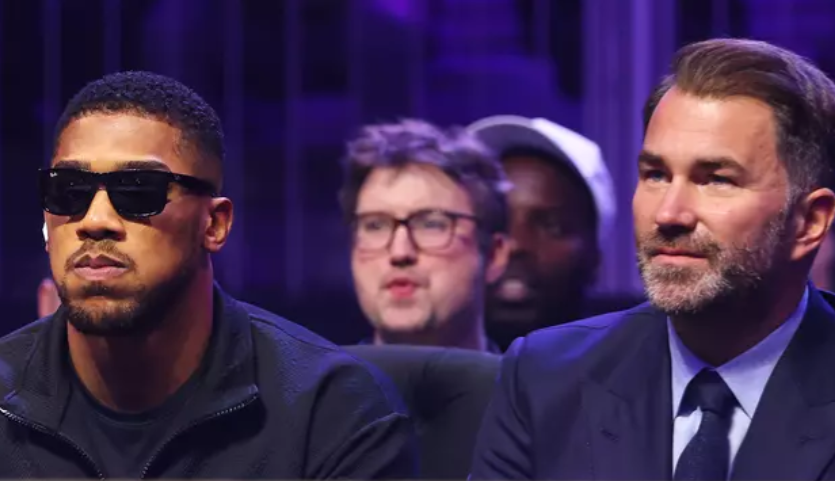
RELATED NEWS : Anthony Joshua Unveils Bold Masterplan With Eddie Hearn to
He’s invested in mentorship programs in Baltimore, aiming to give back to the city that raised him. He’s talked more openly about his upbringing—growing up in a violent neighborhood, bouncing through foster care, and finding purpose through boxing.
Those scars still shape him, but they no longer define him. Now, Davis speaks like a man aware of his platform and the legacy he can leave.
“I want to show the younger generation that you can evolve. That you don’t have to be who the world says you are.”
Chasing Greatness, Not Just Fame
The pivot in Davis’s outlook also seems to align with his ambition to be more than just a box-office draw. He’s no longer satisfied with celebrity. He wants greatness—real, historic greatness.
To get there, he knows he must face the toughest opponents—fighters like Shakur Stevenson, Teofimo López, or Devin Haney. Technical wizards who don’t just brawl—they box. Defeating them won’t take brute force; it’ll take finesse, footwork, and mental warfare.
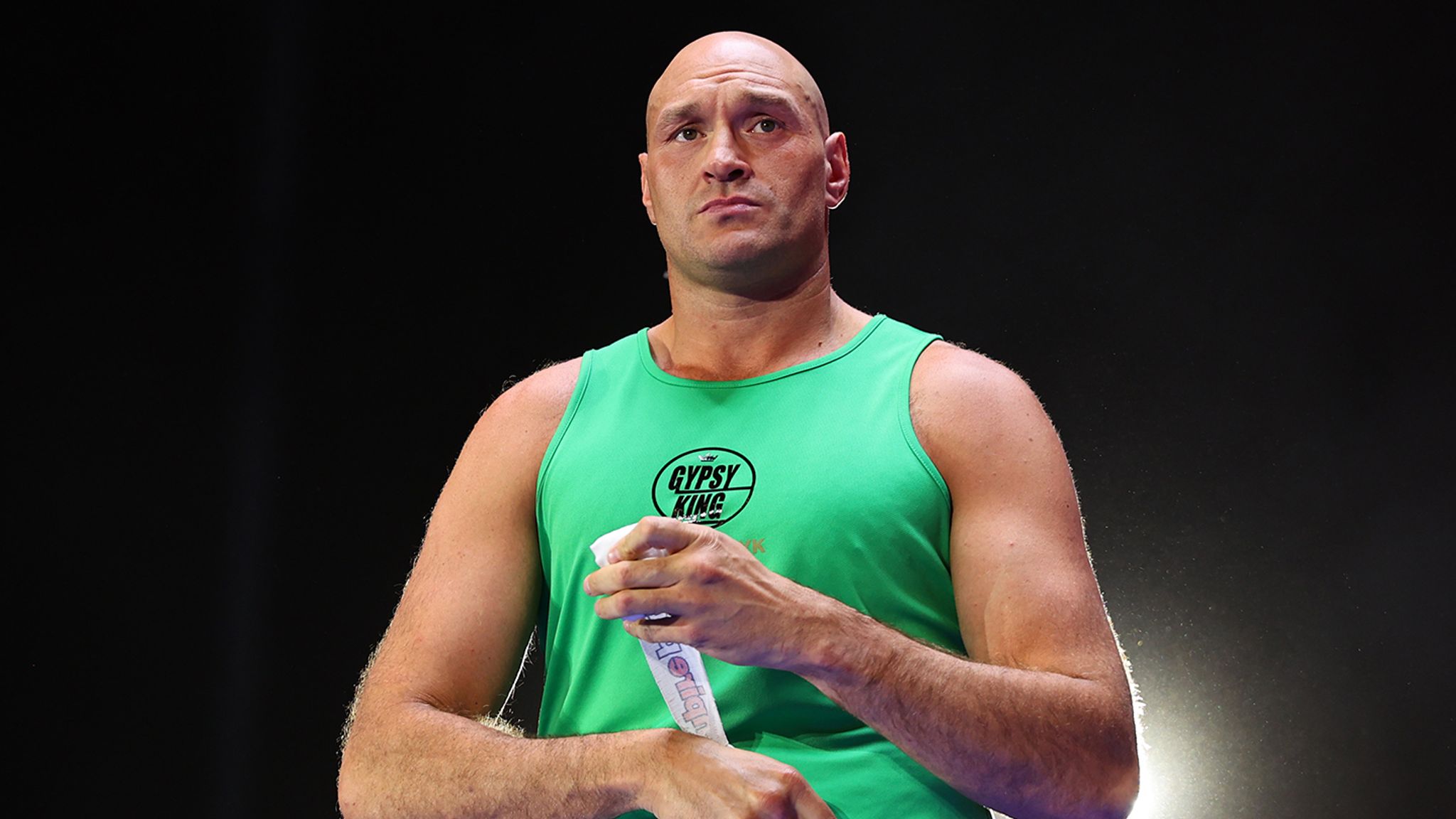
MORE NEWS : Tyson Fury can’t be taken seriously as he backtracks after
And Davis believes he’s ready.
“I want the challenges. I want people to see I can outbox the boxer, not just out-punch the puncher.”
The Artist Behind the Power
If you study Davis’s fights closely, the artistry is there. His timing is impeccable. His ability to read distance and exploit openings is surgical. He disguises power shots with subtle feints. He draws opponents into traps with footwork. These are not the tools of a mindless brawler—they’re the tools of a craftsman.
And yet, these nuances are often lost amid the drama of his finishes.
“It’s like painting a masterpiece and people only notice the last brush stroke,” Davis says with a smirk.
The Road Ahead
Davis’s next fight—an August rematch against Lamont Roach Jr.—will be a pivotal chapter in this evolving story. Roach is a sharp, durable technician who took Davis the distance in their controversial first bout. A decisive win—not necessarily by knockout—could be a showcase for Davis’s broader skillset.
But perhaps more important than the result will be how Davis conducts himself: inside the ropes, in front of the cameras, and in his community. The more he reveals of his intellect, maturity, and discipline, the more the boxing world will begin to see what Davis has always known:
He’s not just a knockout artist. He’s a complete fighter.
Final Word
In a sport that often reduces greatness to highlight clips and viral moments, Gervonta Davis is pushing back against the simplicity of his own myth. He wants to be studied, not just watched. Respected, not just feared.
He knows that power fades. But legacy—true legacy—is built on more than a punch. It’s built on evolution, character, and vision.
And as Davis steps into the next phase of his career, one thing is clear: he’s not just looking to end fights. He’s looking to write history.
